
The transnational edition of the LIFE A-MAR NATURA 2000 photography contest highlights the beauty and fragility of Mediterranean ecosystems
The latest edition of the LIFE A-MAR NATURA 2000 photography contest received hundreds of high-quality submissions, making the jury’s task particularly challenging. The inclusion of Spanish habitats and the exchange between photographers from different countries marked an important step forward, broadening perspectives on Mediterranean coastal and marine ecosystems. This edition has left us with an extraordinary photographic heritage that will be shared in the coming days.
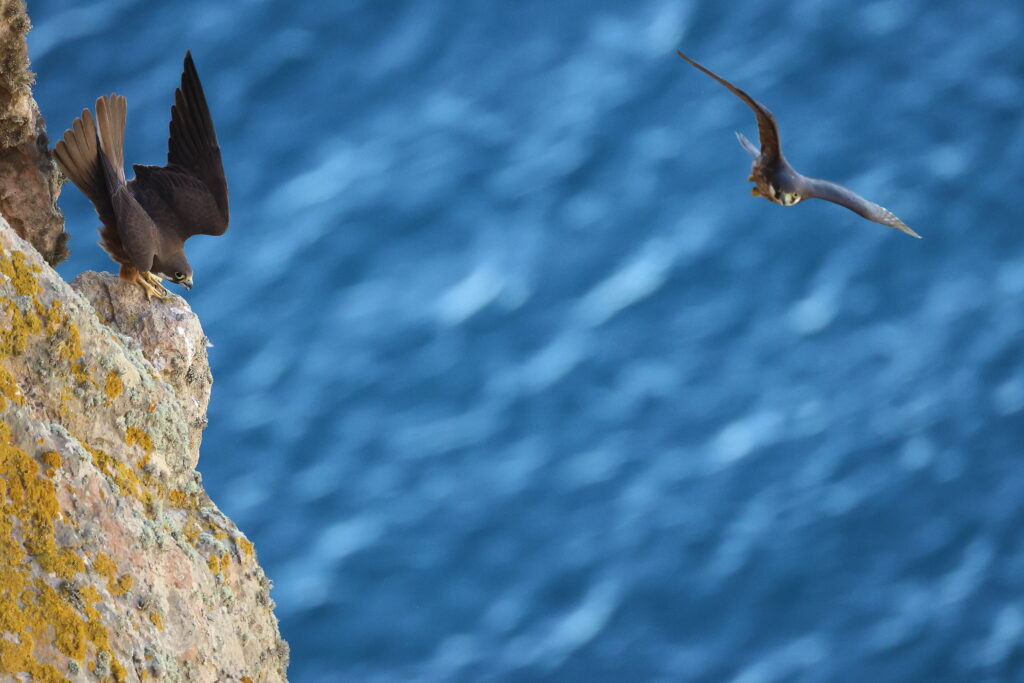
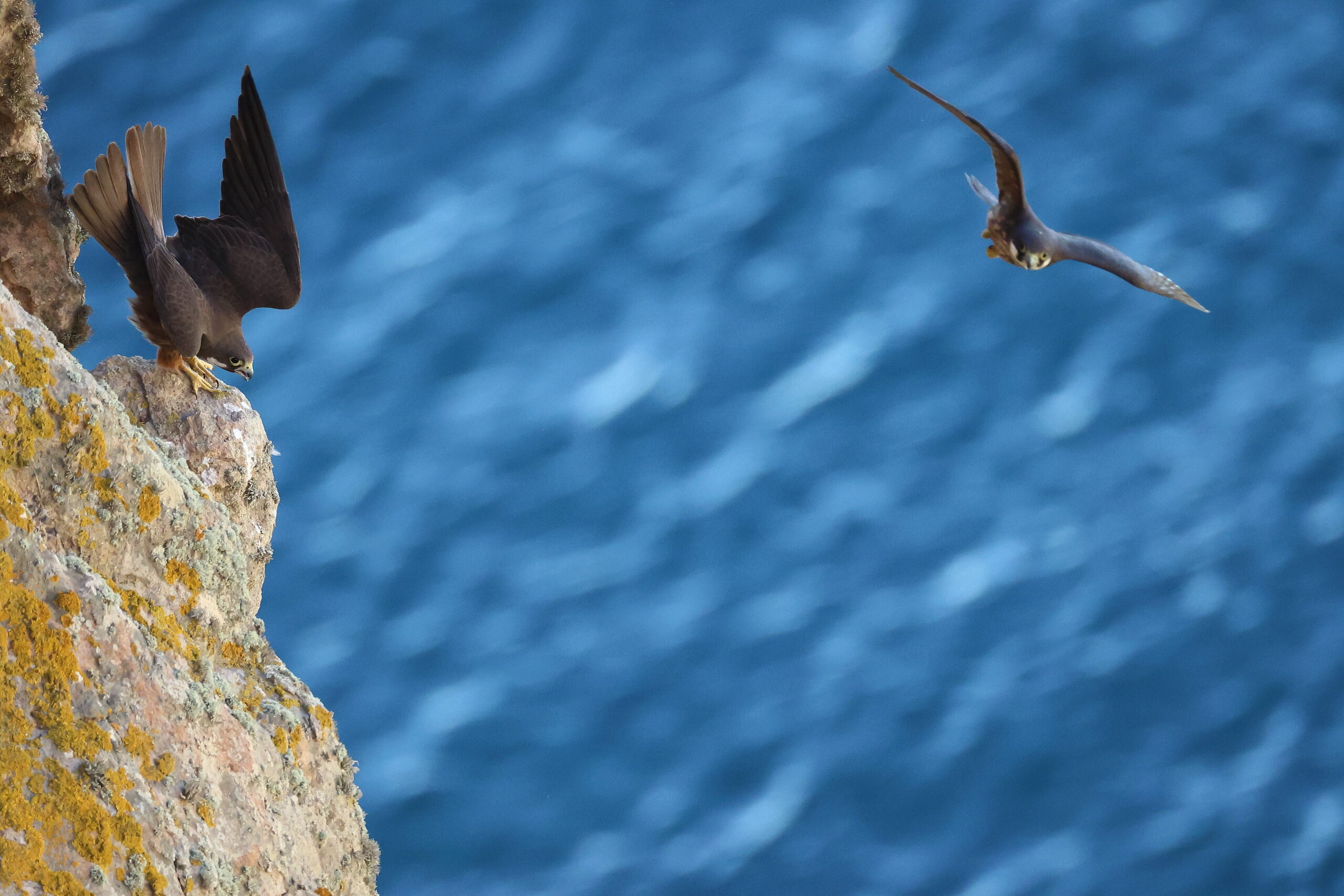
First prize was awarded to Marco Corda for Eleonora’s Falcons – Falco eleonorae, taken at the Natura 2000 site of Isola di San Pietro (Sardinia, Italy). The image captures two Eleonora’s falcons in a regal posture along the Sardinian coast, one facing the camera and the other about to take flight, with the vast sea in the background enhancing the dynamism and freedom of the scene.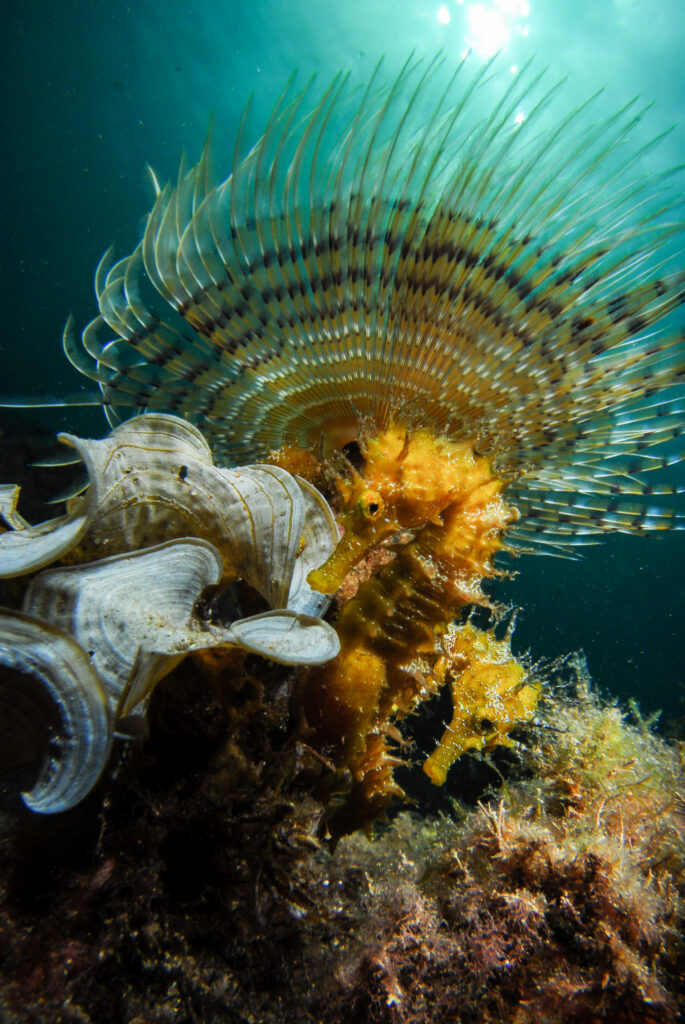 Second place went to Alcaide José Luis for Hippocampus – Hippocampus guttulatus, photographed in the protected marine area of Cabo de Palos and Islas Hormigas (Region of Murcia, Spain). The Mediterranean seahorse is portrayed alongside the fan worm Sabella spallanzanii and the brown alga Padina pavonica, highlighting the richness and biodiversity of the marine ecosystem.
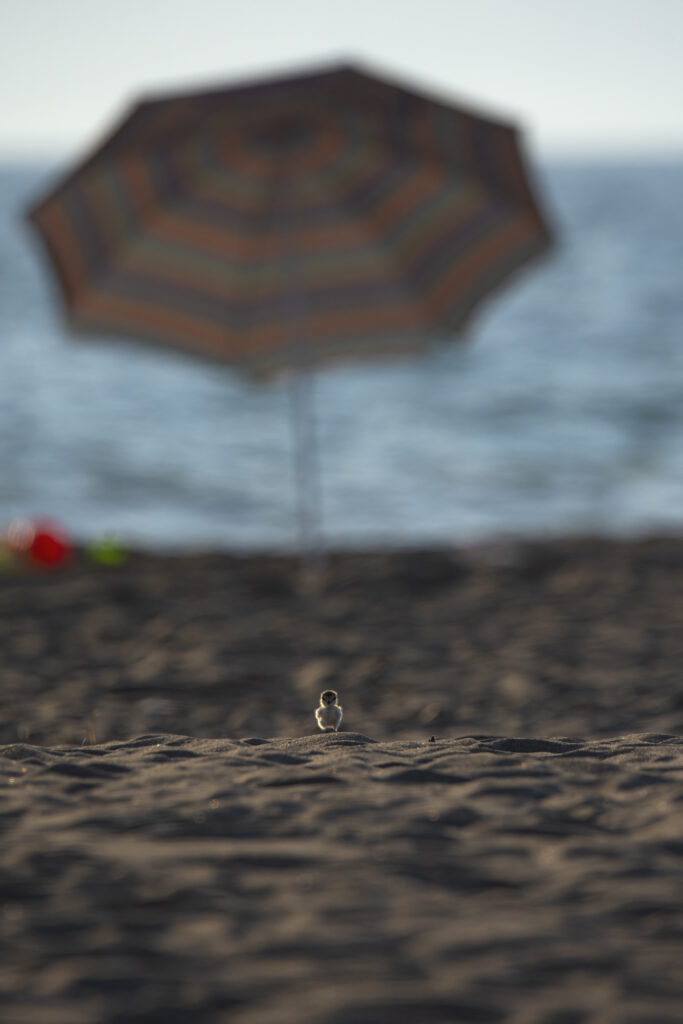 Third prize was awarded to Marco Brandi for Kentish Plover – Charadrius alexandrinus, taken in the Diaccia Botrona wetland near Marina di Grosseto (Tuscany, Italy). The image of a vulnerable chick delivers strong symbolic impact, emphasizing the delicate balance between human presence and species conservation.
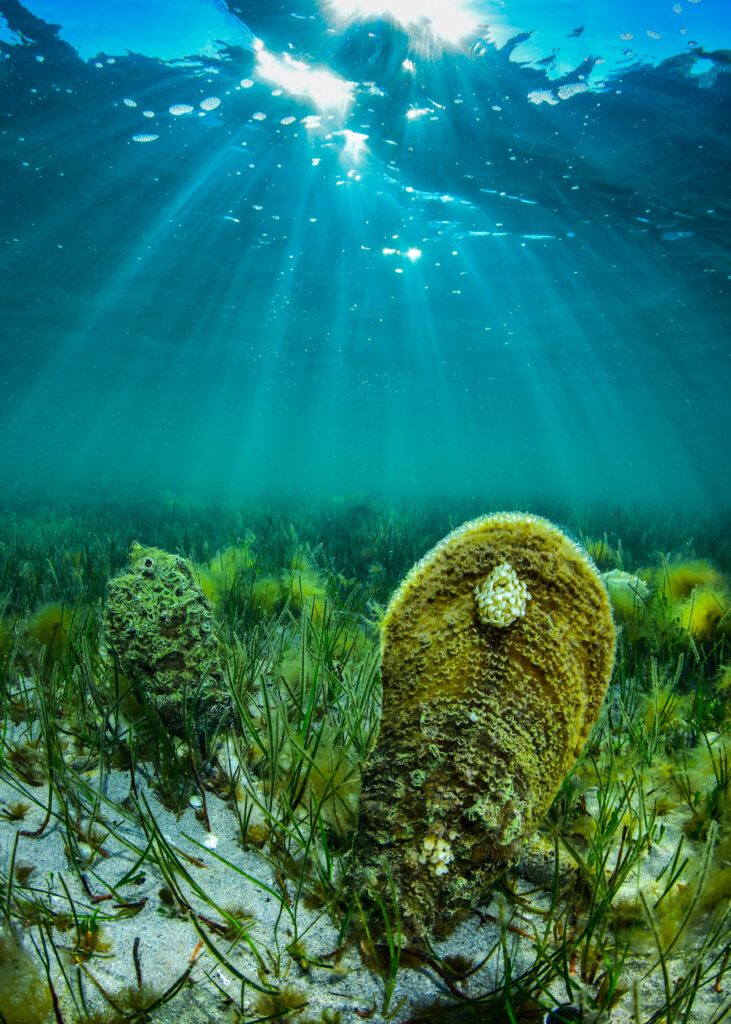 Three special mentions were also awarded. The first, again by Alcaide José Luis, depicts a noble pen shell (Pinna nobilis) in the coastal lagoon of La Manga del Mar Menor. The image unequivocally highlights its subject, the largest bivalve mollusc in the Mediterranean, now at serious risk of extinction, and is enhanced by an evocative play of light created by the sun’s rays penetrating the water. An additional mention was awarded to Garbarino Alessandro for his shot dedicated to mouflons (Ovis aries musimon) in the Capo Figari SAC, in the Golfo Aranci area, also in Sardinia. The image broadens the narrative beyond the marine environment in the strict sense, integrating coastal terrestrial habitats into a continuous ecological exchange between sea and land.
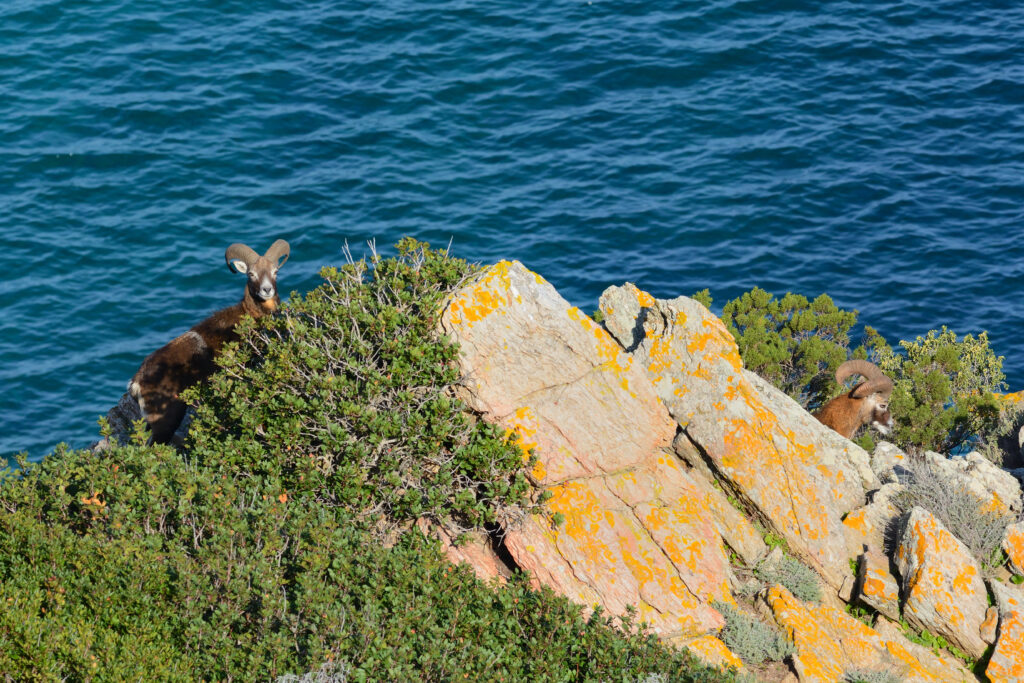 An additional mention was awarded to Garbarino Alessandro for his photograph of mouflons (Ovis aries musimon) in the Capo Figari Special Conservation Area, in the Golfo Aranci region, also in Sardinia. The image broadens the narrative beyond the marine environment in the strict sense, integrating coastal terrestrial habitats into a continuous ecological exchange between sea and land.
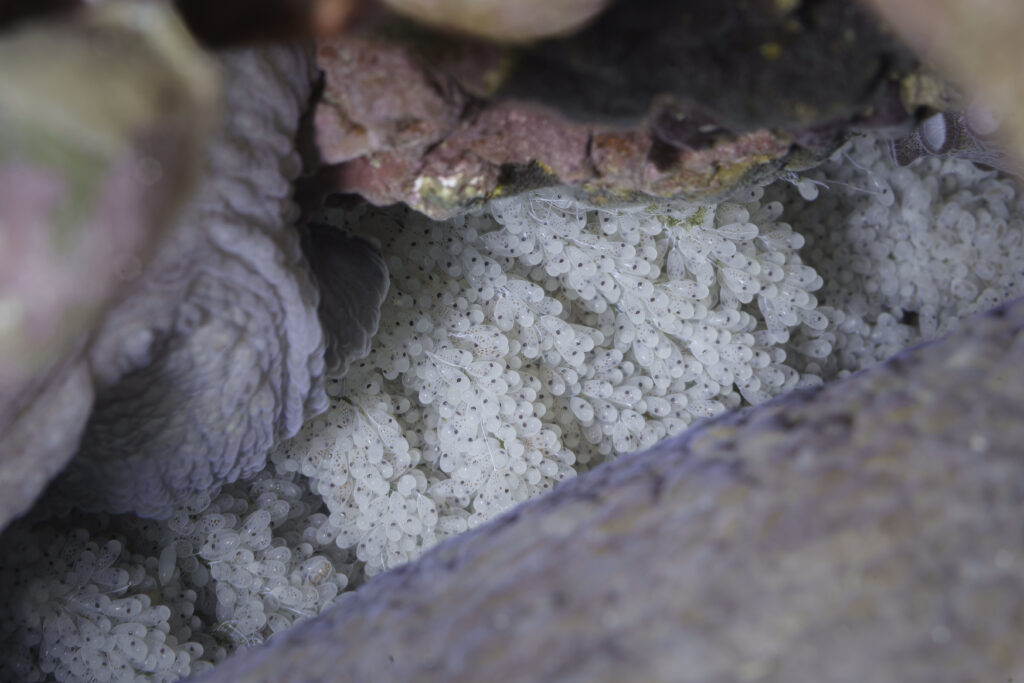 Finally, a special mention went to Palmieri Mariano for his photograph Octopus eggs – Octopus vulgaris, taken in the Cabo de Palos and Islas Hormigas marine reserve. The thousands of common octopus eggs (Octopus vulgaris) imbue the image with a powerful element of life: looking closely at the shot, one discovers surprising details that convey all the wonder and delicacy of the marine life cycle.