

20th March 2026
EU Nature Restoration Law and Biodiversity Credits: outlook for NATURA 2000 marine sites
Meeting with the President of Federparchi, IUCN Europe and ISPRA
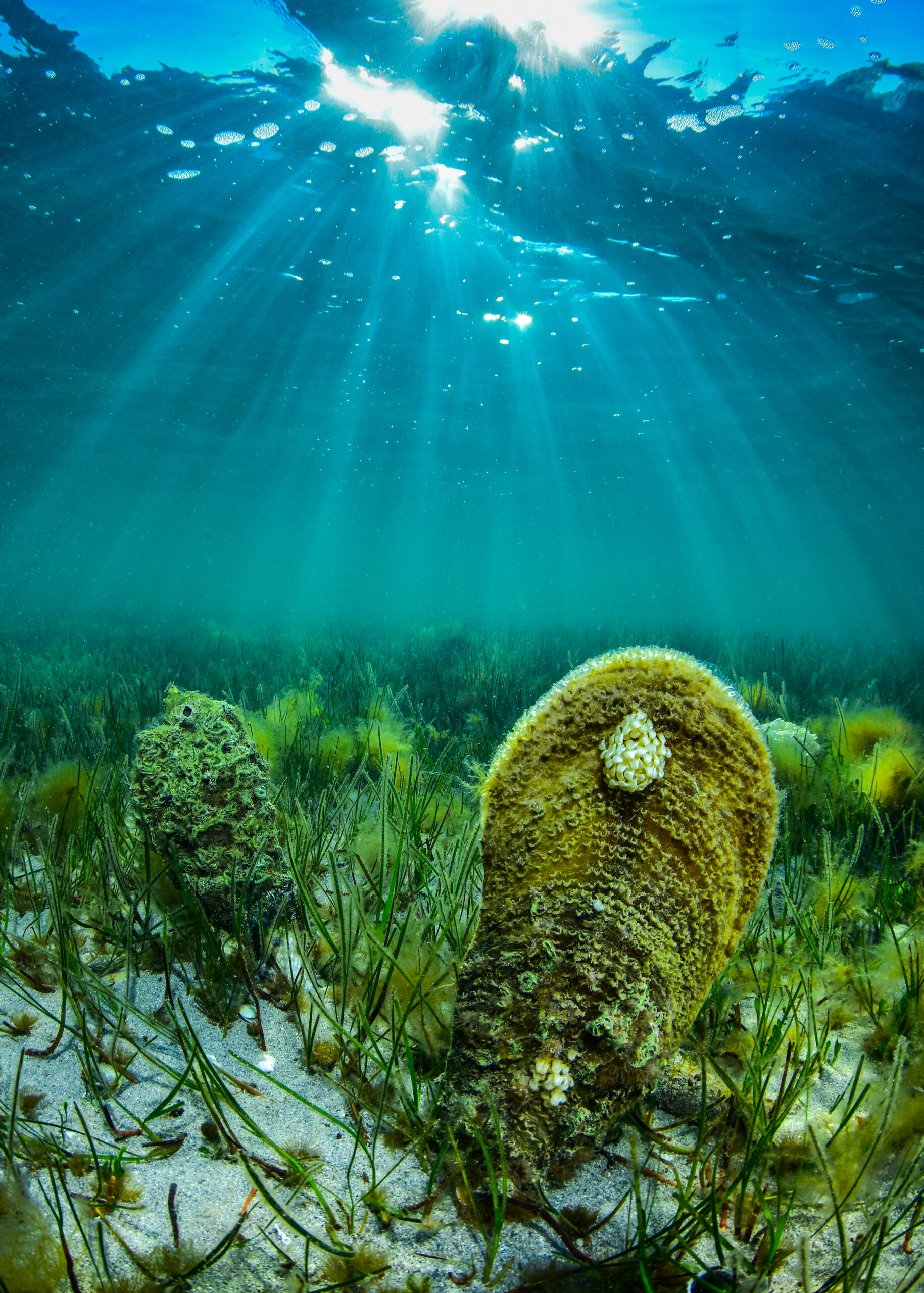
SpecialMention_PhotoContest 2026 LIFE A-MAR NATURA2000_LifeUp&AboveTheSea_AlcaideJoseLuis_Pinna_Nobilis_1_LIC-ZEP-EPA_MarMenorMurcia
What will really change for marine conservation with the new European Nature Restoration Law, and how actions and approaches of the LIFE A-MAR NATURA2000 project could be useful for the implementation of the new European regulations at a local level?
This was discussed at the online event held on Friday 20 March at 10am.
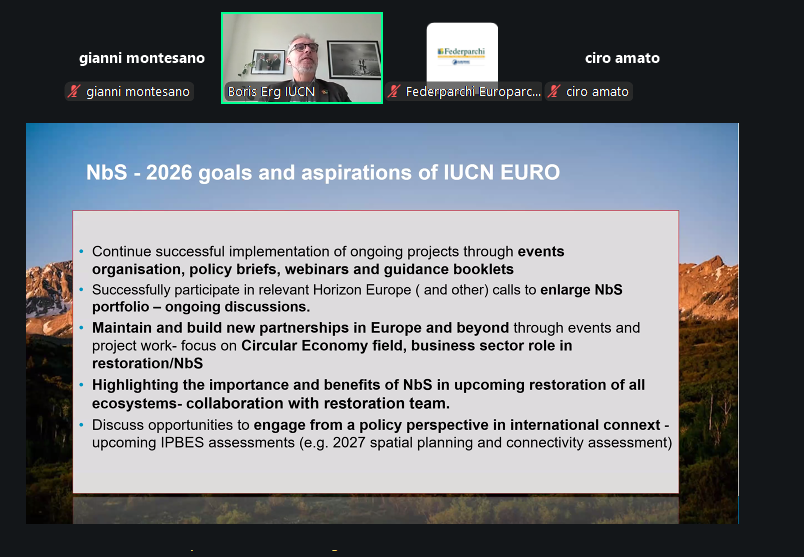
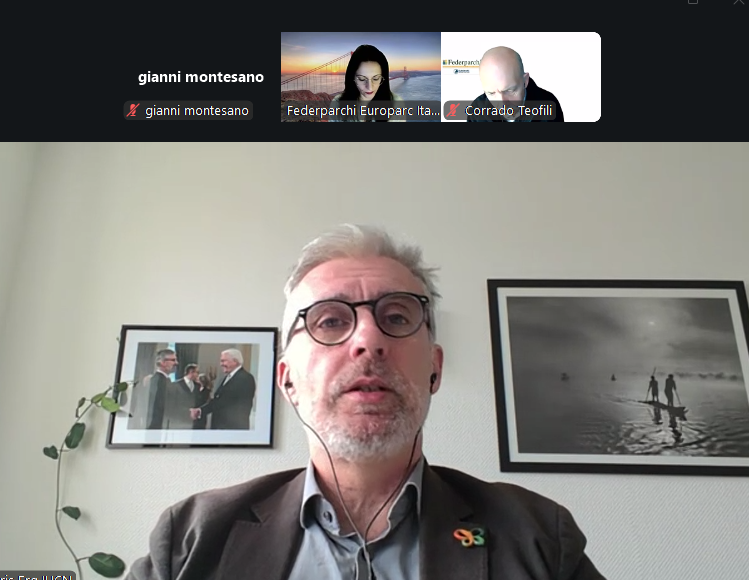
The meeting was attended by Boris Erg, Head of IUCN Europe, who gave a highly effective presentation on the structure of the Restoration Law, the tools available for its implementation at national level, and the support that IUCN Europe can provide in light of the EU’s ambitious targets, which envisage the first results as early as 2030. Erg emphasised the importance of being able to rely on public resources, the need to follow the methodology for developing National Restoration Plans, and the specific requirements for actions concerning marine sites.
 Lorenzo Ciccarese, from ISPRA, focused on the technical and operational framework and the implications for marine sites of the new EU regulations. He carried out a detailed examination of the various steps set out in the Regulation, focusing on aspects affecting both terrestrial and marine ecosystems and referring to the restoration of agricultural areas. In his comprehensive report, he also outlined the complexity and appropriateness of the measures envisaged both within NATURA 2000 sites and across the wider territory.
In his closing remarks, Luca Santini, president of Federparchi, underlined the importance of a new cultural approach to conservation issues, particularly with regard to the sustainable development of the territories and communities located within protected areas. Santini gave some concrete examples of Nature-Based Solutions, citing natural reforestation processes as being far more effective than artificial ones. The president of Federparchi then focused on the need to promote, amongst the public, a new vision of biodiversity that won’t be centred on emotion – focusing solely on high-profile animal species – but which would take a more scientific approach, considering the whole range of ecosystems based on plant biomass.
Opening and closing remarks was by Maria Villani, Head of Projects at Federparchi, who outlined the main activities and results achieved by the European Life A-MAR NATURA2000 project.